
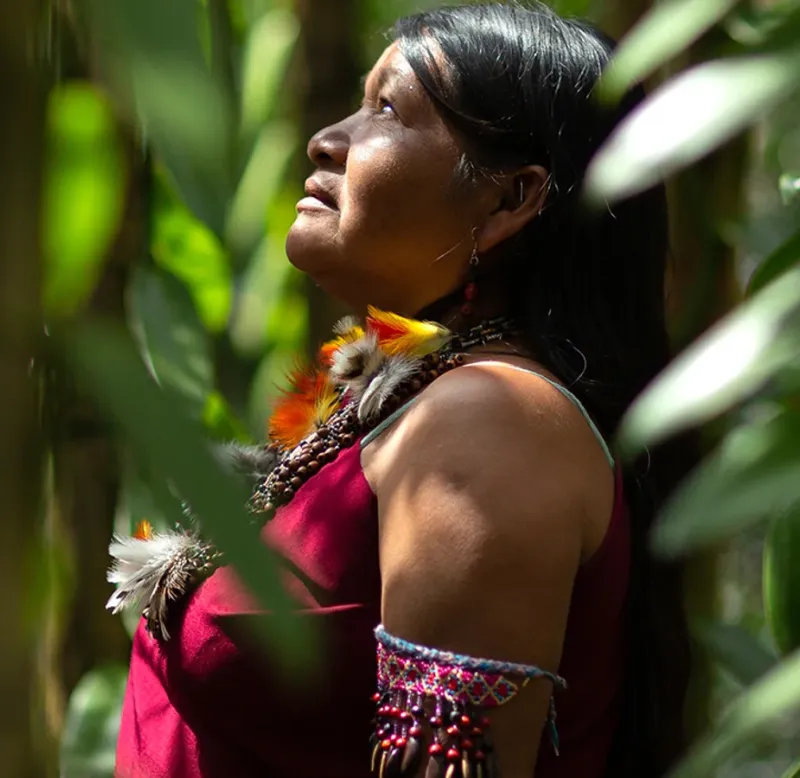
 Adaptation in Today's World
Indigenous tribal communities in the New World employ a variety of adaptation strategies rooted in their Traditional Ecological Knowledge (TEK) to respond to environmental change, particularly climate change. These dynamic approaches blend long-standing cultural practices with modern techniques to enhance resilience and protect their livelihoods and cultural identity.
Key areas of adaptation include:
Resource and Land Management
Indigenous groups often use place-based knowledge systems to manage forests, water, and soils sustainably, acting as effective stewards of their environments.
- Forest Management: Practices like traditional "cultural burning" manage landscapes to reduce wildfire risks and promote biodiversity.
- Water Management: Communities in the Andes have dug new irrigation channels to create wetlands for livestock, while others along coastal US areas have restored wetlands to mitigate flooding and erosion from sea-level rise.
- Food Systems: To combat food insecurity, tribes use diverse, climate-resilient crops (e.g., drought-tolerant varieties), adjust planting/harvesting times based on seasonal shifts, and use traditional storage methods.